Caps & Crowns
Chimney Crown Repair
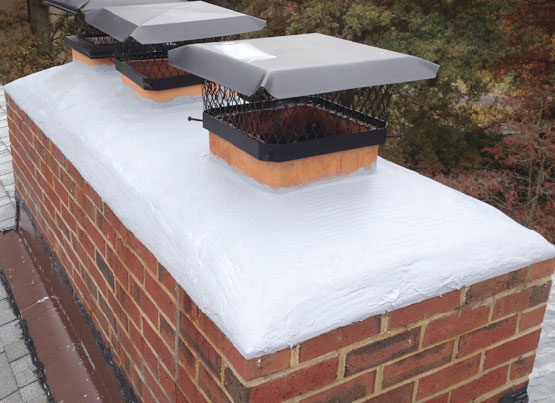
The crown is the sloped surface at the very top of a masonry chimney. It's built to shed water away from the flue and brick. When it cracks, water gets in — and in Colorado, water that gets in tends to freeze.
A small crack, a big path for water
Crowns are exposed to sun, snow, and temperature swings all year, and they eventually crack. Once they do, water runs into the masonry below instead of shedding off. Freeze-thaw cycles then widen the damage from the inside out.
Repair and seal
Depending on condition, we repair cracks and apply an appropriate sealer, or rebuild the crown where it's too far gone. Addressing the crown early often prevents more expensive masonry work later.
Signs of crown trouble
- Visible cracks across the top of the chimney
- Water stains on the masonry below the crown
- Pieces of the crown breaking away
- Spalling brick appearing beneath the crown
- A damp smell or moisture inside the flue
What our service covers
- Crown crack repair
- Crown sealing and coating
- Crown rebuilding where required
- Coordination with cap and masonry work
- Moisture-focused evaluation
Frequently asked questions
What's the difference between the crown and the cap?
The crown is the masonry surface at the top of the chimney that sheds water; the cap is the cover over the flue opening. Many chimneys need both to keep water out.
Can a cracked crown wait until spring?
Because freeze-thaw cycles widen cracks over winter, it's usually better to address a cracked crown before the cold season rather than after.
Related services
Talk to a Colorado chimney family
Call or request service and we'll help you figure out the right next step for your chimney or fireplace.