
Moisture
Chimney Waterproofing
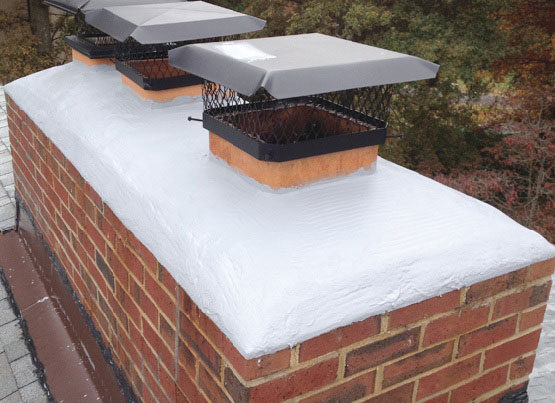
Waterproofing helps porous masonry shed water instead of soaking it up — but it only works when the chimney is sound first. We fix what's letting water in, then protect the surface.
Fix first, then protect
Waterproofing is not a patch for cracks, a bad crown, or failed flashing. Applied over an active leak, it can even trap moisture. So the honest sequence is: find and repair the actual entry points, then apply a breathable water repellent to the sound masonry.
Why 'breathable' matters
Masonry needs to release vapor. A proper masonry water repellent reduces how much water the brick absorbs while still letting trapped moisture escape — which is exactly what you want going into a Colorado winter.
When waterproofing helps
- Sound masonry that you want to protect proactively
- A history of moisture soaking into the brick
- Recently repaired masonry ready to be sealed
- Early spalling on an otherwise solid chimney
- Preparing a chimney before winter
What our service covers
- Moisture evaluation of the chimney
- Repair of active entry points first
- Breathable masonry water repellent
- Crown sealing where appropriate
- Guidance on what waterproofing can and can't fix
Frequently asked questions
Will waterproofing stop my chimney leak?
Not on its own. Leaks come from specific failures — crown, flashing, cap, or cracked masonry — that need repair first. Waterproofing then protects sound masonry.
Can I use ordinary sealer on my chimney?
Masonry should breathe. A vapor-permeable water repellent is used so trapped moisture can still escape, unlike a film-forming sealer.
Related services
Talk to a Colorado chimney family
Call or request service and we'll help you figure out the right next step for your chimney or fireplace.