Fireplace
Wood-Burning Fireplace Services
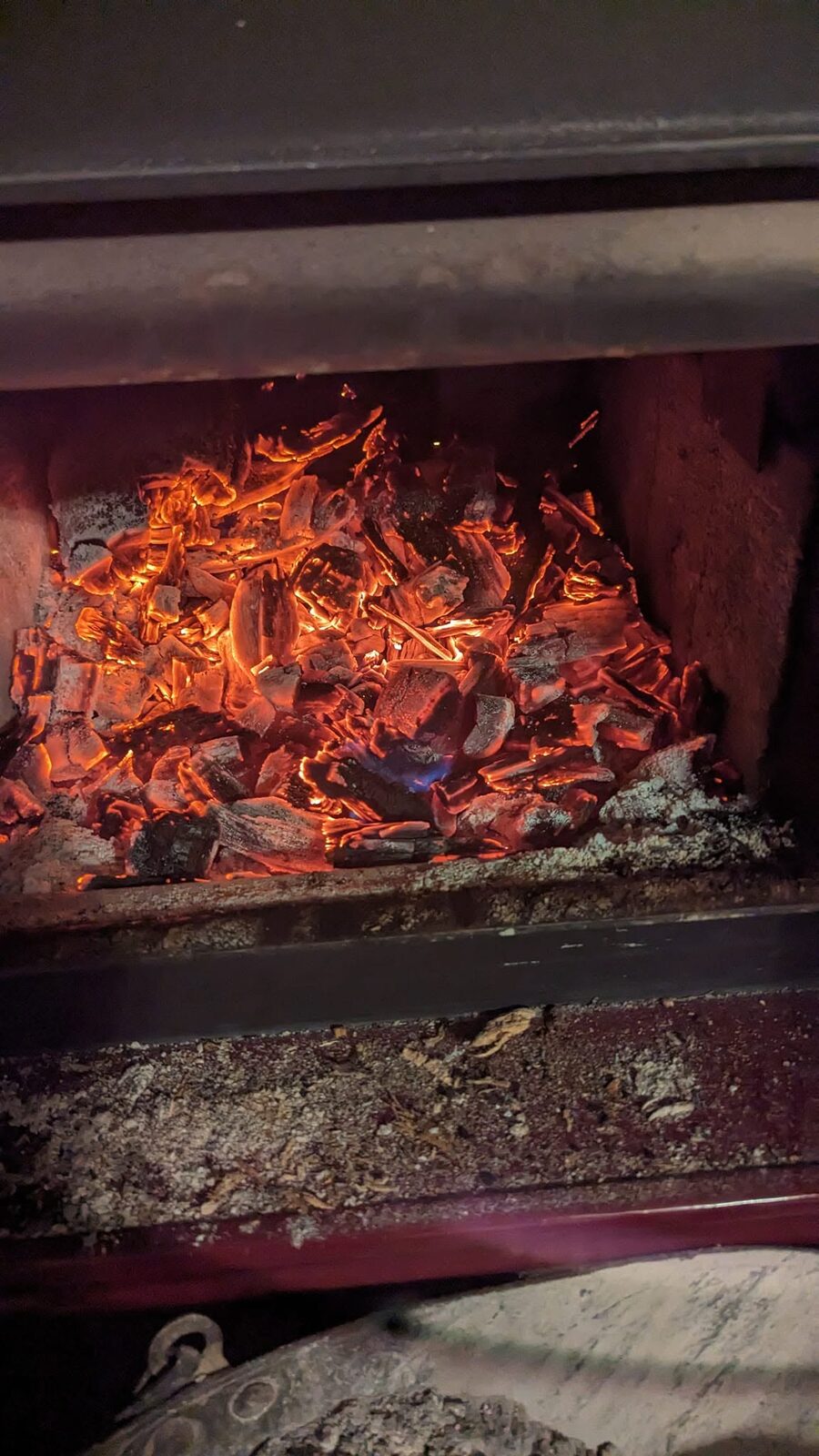
Wood-burning fireplaces and stoves need the most attention, because burning wood produces creosote. We clean, inspect, and repair wood systems so they vent safely through the season.
Wood means creosote
Every wood fire deposits creosote in the flue. That's normal — but it accumulates, and heavy buildup is combustible. Regular cleaning and inspection are the core of keeping a wood-burning system safe, along with burning the right, well-seasoned fuel.
The whole wood system
We look after the parts that make a wood fireplace or stove work: the firebox, the flue and liner, the cap and crown up top, and the venting in between. When something needs repair, we address it; when it needs relining or a new appliance, we evaluate that too.
Wood-system care to keep in mind
- Creosote buildup from regular burning
- A smoky odor or poor draft
- Flue tile pieces in the firebox
- Adding or replacing a wood stove or insert
- A season's worth of use since the last service
What our service covers
- Wood fireplace and stove cleaning
- Inspection and creosote assessment
- Firebox and flue repair
- Liner evaluation and relining
- Guidance on what to burn
Frequently asked questions
What shouldn't I burn in a wood fireplace?
Avoid wet or unseasoned wood, treated or painted wood, and trash. Well-seasoned firewood burns cleaner and produces less creosote.
How often should a wood-burning system be cleaned?
It depends on how much you burn and what you burn. Annual inspection is the baseline, with cleaning done whenever creosote or conditions require it.
Related services
Talk to a Colorado chimney family
Call or request service and we'll help you figure out the right next step for your chimney or fireplace.