Liner
Chimney Liner Repair & Installation
The liner is the passage that carries smoke and combustion gases up and out. When a clay tile liner cracks or an older chimney has no suitable liner, relining restores safe venting and protects the surrounding masonry.
Why the liner matters
A sound liner contains heat and combustion products so they vent up the flue instead of reaching the masonry or the home. Cracked clay tiles, gaps, or an undersized flue can all interfere with how a chimney drafts and protects the structure around it.
Clay tile vs. stainless steel
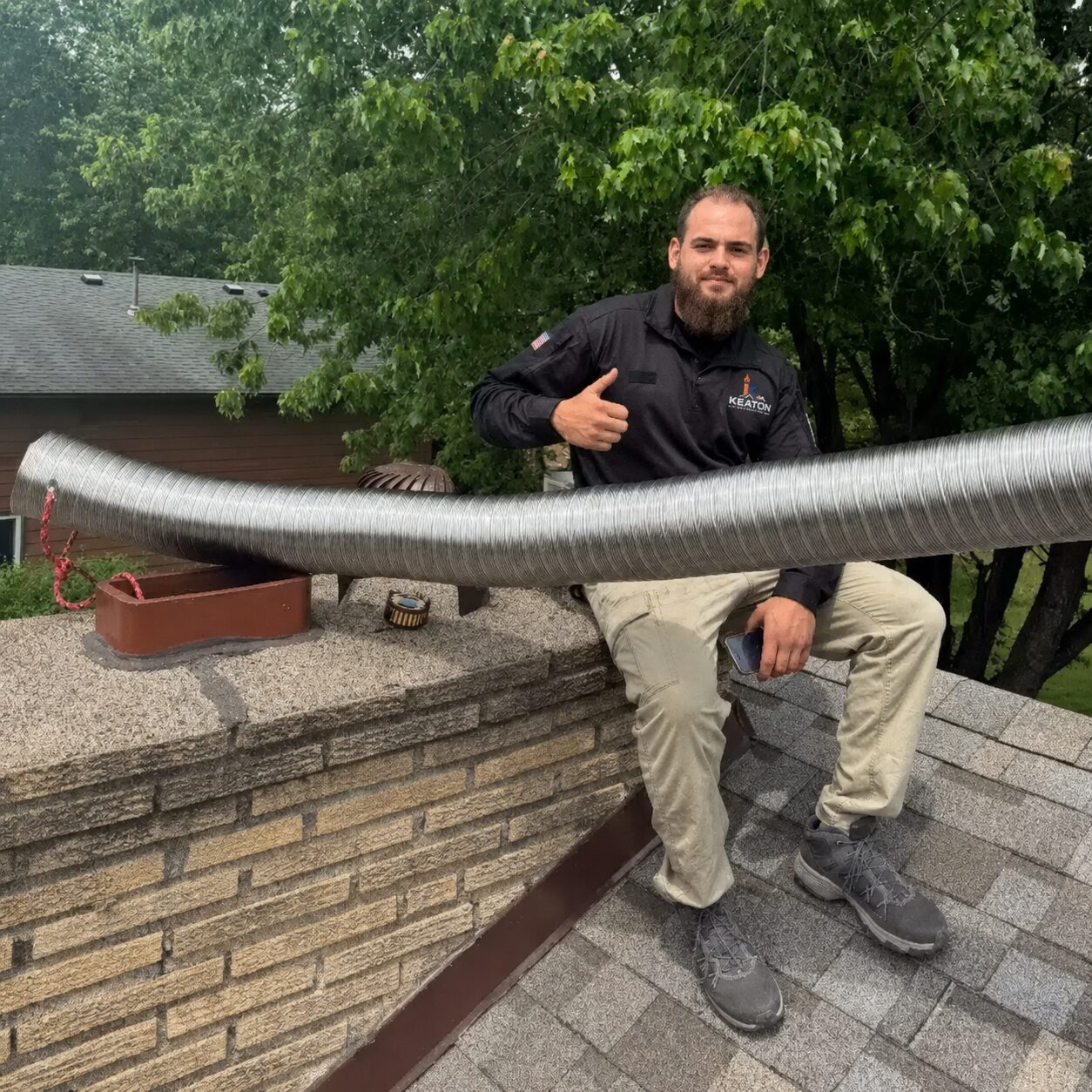
Many older chimneys use clay tile liners, which can crack over time. Stainless steel liners are a common, durable option for relining and for matching a liner to a new appliance. We evaluate the existing system before recommending a liner type and size.
Signs a liner needs attention
- Pieces of flue tile in the firebox
- A chimney fire history or heat damage
- Poor draft or persistent smoke problems
- Installing a new insert, stove, or appliance
- An older chimney with no suitable liner
What our service covers
- Stainless steel liner installation
- Relining of deteriorated flues
- Liner sizing for the appliance
- Inspection to confirm liner condition
- Coordination with cap and crown work
Frequently asked questions
How do I know if my liner is damaged?
Liner damage is usually not visible from the room. A camera-assisted inspection is the reliable way to confirm the condition of the flue and liner.
Do I need a new liner for a fireplace insert?
Often, yes. A new appliance frequently needs a correctly sized liner to vent properly. The existing chimney should be evaluated first.
Related services

Talk to a Colorado chimney family
Call or request service and we'll help you figure out the right next step for your chimney or fireplace.