
Inspection
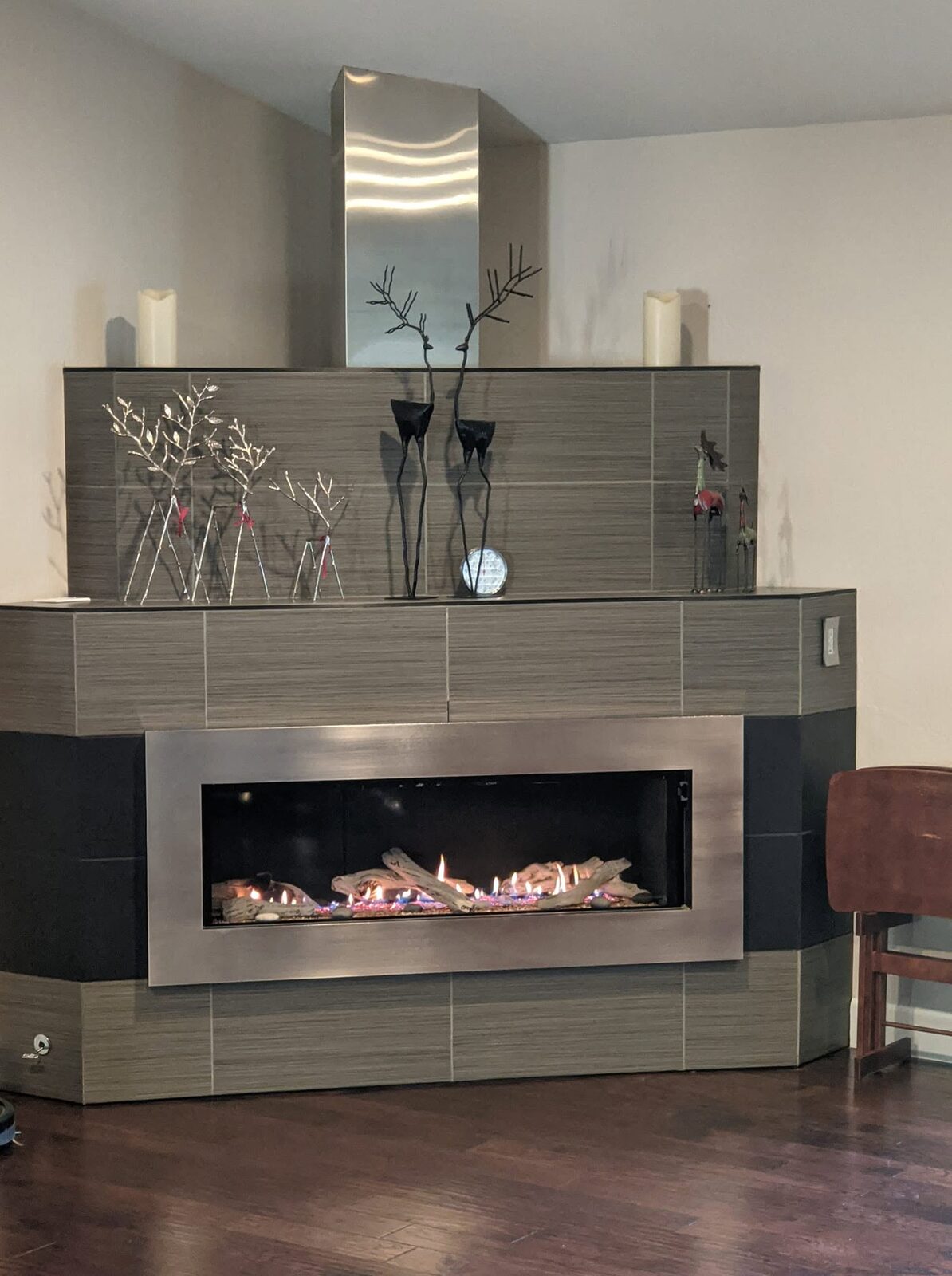
Fireplace Inspection
A fireplace inspection looks at the parts you use up close — the firebox, damper, and connections — along with how the system vents. It's the starting point for knowing whether it's ready to use.
What we check
We evaluate the accessible fireplace and its components: the firebox, damper, and the transition into the chimney, plus signs of moisture, wear, or damage. For gas systems, that includes the condition and general operation of the appliance. What's appropriate depends on the fireplace type and its history.
Part of a whole-system view
A fireplace vents through a chimney, so a fireplace inspection often extends into the flue. Looking at both together gives a complete picture of whether the system is sound.
Good reasons to inspect
- Before the first fire of the season
- After buying a home with an unknown fireplace
- Cracks, rust, or damage in the firebox
- A change in how the fireplace drafts or performs
- Following a suspected chimney fire
What our service covers
- Firebox and damper evaluation
- Venting and connection review
- Gas appliance general assessment
- Moisture and wear checks
- Clear, plain-language findings
Frequently asked questions
How is a fireplace inspection different from a chimney inspection?
They overlap. A fireplace inspection focuses on the firebox and appliance; a chimney inspection focuses on the flue and structure. Both are usually looked at together.
Should a gas fireplace be inspected?
Yes. 'It turns on' isn't the same as 'everything is fine.' A periodic check helps keep a gas fireplace operating as intended.
Related services

Talk to a Colorado chimney family
Call or request service and we'll help you figure out the right next step for your chimney or fireplace.